
Direct answer
What should I know about Software for Maintenance Tracking?
Software for Maintenance Tracking helps rental owners make a clearer decision about leasing, tenant screening, cash flow, risk and long-term property performance. The best answer depends on the property, local demand, rent readiness, owner goals, legal requirements and the cost of vacancy or mistakes.
Key points before you decide
- Start with the owner objective: stable income, lower vacancy, stronger screening, better systems or a decision to keep or sell.
- Measure the issue in dollars and time, including vacancy, repairs, leasing delays, compliance risk and management effort.
- Use a documented process so tenant decisions, leasing steps and owner expectations are consistent.
Software for Maintenance Tracking
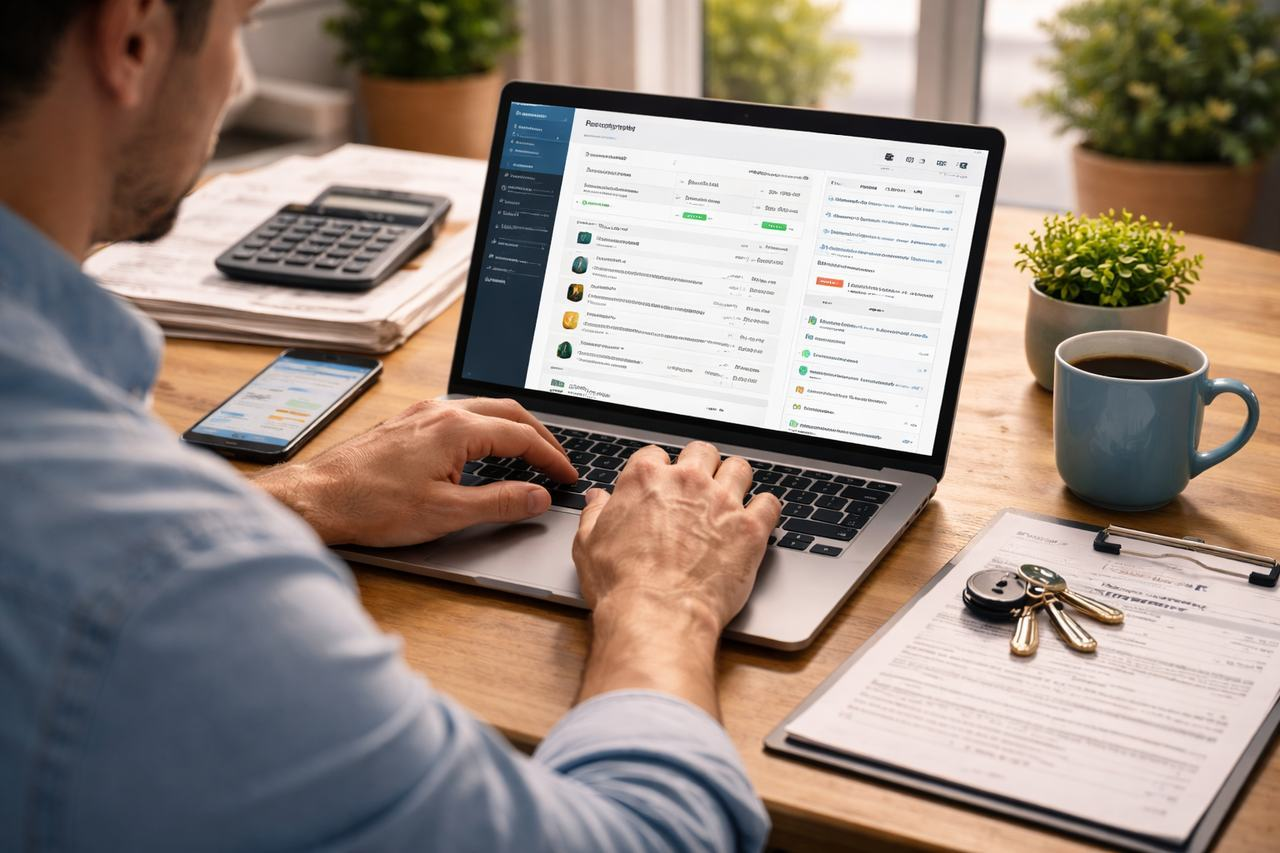
Maintenance tracking software helps landlords document repairs, respond faster to issues, and control costs. This guide explains the best tools, features to prioritize, and how to choose software that fits your rental operation.
Why maintenance tracking matters
- Faster response to repair requests
- Clear documentation for disputes
- Better vendor coordination
- Improved tenant satisfaction
- Lower long-term repair costs
Core features to look for
- Tenant maintenance request portals
- Photo and file attachments
- Status tracking and timestamps
- Vendor assignment and communication
- Repair cost tracking
- Maintenance history by unit
Related planning: Preventive Maintenance Schedule
Top software options for maintenance tracking
DoorLoop
DoorLoop offers robust maintenance workflows including tenant requests, vendor assignment, and cost tracking tied directly into accounting.
Buildium
Buildium includes maintenance request portals, vendor tracking, and detailed repair histories suitable for growing portfolios.
AppFolio
AppFolio is known for advanced mobile maintenance tools, ideal for larger portfolios with field staff and vendors.
TenantCloud
TenantCloud provides basic maintenance tracking suitable for small landlords who need affordability over complexity.
Maintenance-only tools
Some landlords pair full software with simple ticketing tools, though this often increases manual coordination.
Emergency vs routine maintenance
- Emergency tagging and priority handling
- After-hours documentation
- Audit trails for response times
- Protection against habitability claims
Emergency planning: Emergency Repairs Guide
Maintenance costs and budgeting
Maintenance software helps landlords track trends and plan budgets rather than reacting to surprises.
- Track repair costs by category
- Identify recurring issues
- Plan capital expenditures
Financial planning: Maintenance Budgeting and Capital Expenditures
Choosing the right maintenance software
The best maintenance tracking software depends on portfolio size, response expectations, and how closely you want maintenance tied to accounting and reporting.
Maintenance tracking FAQs
Is maintenance software necessary?
Can tenants submit requests online?
Own rentals in Florida and need help buying or selling investment property Visit Golden Hour Real Estate. Need financing for rental properties Visit 360 Mortgage. Need insurance guidance for rentals Visit Henson Agency.
Related Maintenance Tracking Software Guides
Maintenance software can help document requests, photos, vendors, timestamps, and completion notes. These guides compare when software is enough and when hands-on coordination matters.
Frequently asked questions
What should owners know about Software for Maintenance Tracking?
Software for Maintenance Tracking should be evaluated as a practical operating decision, not just a one-time task. Small process gaps can affect vacancy, risk and cash flow.
When should a landlord ask for help?
A landlord should ask for help when vacancy, screening, maintenance coordination, legal notices or decision fatigue start affecting the property’s performance.
What is the next step?
The next step is to compare the current rental process against a documented management or leasing plan and identify the highest-cost bottleneck.